

Resources for Parents


Understanding the Difference Between Speech and Language
Parents often use the words speech and language interchangeably, but in the world of speech-language pathology, they mean different things. Understanding the distinction can help you better advocate for your child.
What Is Speech?
Speech refers to the physical production of sounds. It is about how clearly your child can say words. A speech delay or disorder might mean your child has trouble pronouncing certain sounds, stutters, or has a hoarse or unusual voice quality.
What Is Language?
Language is about meaning and communication. It includes understanding words (receptive language) and using words to express thoughts and needs (expressive language). A language delay or disorder might mean your child has a limited vocabulary, struggles to form sentences, or has difficulty following directions.
Can a Child Have Both?
Yes! It is common for children to have challenges in both speech and language. That is why a comprehensive evaluation by a certified speech-language pathologist is so important. It helps identify exactly where your child needs support so therapy can be targeted and effective.
If you have concerns about your child communication, whether it is how they say words or how they use them, we are here to help. Every child deserves to be understood.
Everyday Moments Are Language Moments
You do not need a therapy room to help your child build communication skills. Some of the most powerful language learning happens during the everyday moments you already share together.
5 Daily Routines That Build Language
1. Mealtime. Name foods, describe textures and colors, and practice requesting. Want more? All done? These are powerful early phrases.
2. Bath Time. Water play is rich with vocabulary: splash, pour, warm, cold, bubbles, wash. Let your child direct the play and narrate what they do.
3. Getting Dressed. Talk about clothing items, colors, and body parts. Offer choices: Red shirt or blue shirt? This builds vocabulary and decision-making.
4. Car Rides. Point out what you see: Look, a big truck! There is a dog! Car rides are perfect for building observation and commenting skills.
5. Bedtime Stories. Reading together is the gold standard for language development. Ask questions, point to pictures, and let your child fill in familiar words.
The key is to keep it natural and fun. You are already your child best teacher, just by being present and talking through your day together.
An SLP Top 5 Toys for Language Development
Walk down any toy aisle and you will be bombarded with flashing lights, loud music, and toys that promise to make your child a genius. But as a speech-language pathologist, the best toys for language development are often the simplest.
The Top 5
1. Blocks. Simple, open-ended, and perfect for practicing concepts like up, down, on, in, and more. Plus, knocking them over is a great way to practice exclamatory words like uh oh and boom!
2. A Farm Set or Dollhouse. These are little worlds in a box! They are fantastic for teaching vocabulary, action words, and early storytelling skills.
3. Mr. Potato Head. A classic for a reason! Great for teaching body parts, pronouns, and simple requesting.
4. Bubbles. The ultimate motivator. Bubbles are perfect for encouraging eye contact, requesting, and practicing early sounds like /p/ and /b/.
5. Books. Reading to your child is the single best thing you can do to build their vocabulary and language skills.
Notice a theme? None of these require batteries. They require you! The magic is not in the toy; it is in the interaction you have with your child while you play.
Should We Wait and See? Why Early Intervention Matters
It is a piece of advice often given with the best of intentions: Don not worry, he is just a late talker. She will grow out of it. Just wait and see.
While it is true that children develop at their own pace, the wait and see approach to a suspected speech or language delay can be a risky gamble. The first few years of a child life are a critical window for brain development, especially for language.
What the Research Tells Us
The Brain is Primed for Language. From birth to age three, a child brain is more receptive to learning language than at any other time in their life.
Early Skills Build on Each Other. Just like building a house, communication skills are built on a foundation. A delay in an early skill like babbling can impact the development of later skills like using sentences.
Early Intervention Works. Studies consistently show that children who receive early intervention for speech delays have better long-term outcomes than those who do not.
Trust Your Instincts
You are the expert on your child. If you have a gut feeling that something is not right, it is always worth exploring. A speech and language evaluation is not a commitment to years of therapy; it is a way to get answers.
Why Play Is the Best Medicine for Speech Development
When most people picture speech therapy, they imagine a child sitting at a table, repeating words from flashcards. The most powerful tool in a pediatric speech-language pathologist toolkit is something far more natural: play.
Play-based therapy is not just playing around. It is a clinically proven, evidence-based approach that uses a child natural interests and activities to target specific communication goals.
Why Play Works
Motivation. A child who is engaged and having fun is a child who is ready to learn.
Natural Context. Play is a child natural environment. Therapy that happens within that context is more likely to stick.
Connection. A strong, trusting relationship between a child and their therapist is essential for progress. Play builds that bond.



As a speech-language pathologist, I often tell parents that each child develops at his or her own pace, but there are certain signs that tell us it's time to take a closer look. Trust your instincts. If something feels off, it's okay to ask questions early. A speech therapist can help determine whether your child would benefit from services or simply needs more time and support. Consider reaching out if your child:
- Is not using words or has very few words by 18-24 months
- Has trouble understanding simple directions
- Is difficult for familiar people to understand
- Becomes frustrated because they can't communicate their wants or needs
- Is not combining words by around 2-3 years
- Has lost words or communication skills they previously used
Consider reaching out if your child:
Early intervention works. Getting an evaluation doesn't mean something is "wrong"— it means we're being proactive and supportive of your child's growth."

Each child develops at his or her own pace, but these milestones can help you know what to expect as your child grows. Use this as a general guide, not a test. If you ever have concerns, trust your instincts and reach out for support.

Your baby may:
- Make cooing and vowel sounds ("oo,", ah)
- Cry in different ways to show needs
- Smile and react to voices
- Turn their head toward sounds
- Enjoy face-to-face interaction

Your baby may:
- Make cooing and vowel sounds ("oo,", ah)
- Cry in different ways to show needs
- Smile and react to voices
- Turn their head toward sounds
- Enjoy face-to-face interaction
Consider reaching out if:
- Your child is not babbling, making sounds, or using gestures like pointing or waving
- Limited eye contact or social interaction

Your baby may:
- Make cooing and vowel sounds ("oo,", ah)
- Cry in different ways to show needs
- Smile and react to voices
- Turn their head toward sounds
- Enjoy face-to-face interaction
Consider reaching out if:
- Your child is not babbling, making sounds, or using gestures like pointing or waving
- Limited eye contact or social interaction

Your baby may:
- Make cooing and vowel sounds ("oo,", ah)
- Cry in different ways to show needs
- Smile and react to voices
- Turn their head toward sounds
- Enjoy face-to-face interaction
Consider reaching out if:
- Your child is not babbling, making sounds, or using gestures like pointing or waving
- Limited eye contact or social interaction
Your baby may:
- Make cooing and vowel sounds ("oo,", ah)
- Cry in different ways to show needs
- Smile and react to voices
- Turn their head toward sounds
- Enjoy face-to-face interaction
Consider reaching out if:
- Your child is not babbling, making sounds, or using gestures like pointing or waving
- Limited eye contact or social interaction
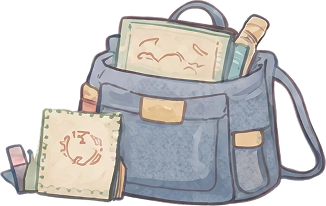

Everyday Ways to Build Speech & Language
You don't need special materials to help your child build communication skills! Many common toddler toys can be powerful tools for encouraging language during play. Below are examples of toys you may already have at home and simple ways to use them to support speech and language development.
- Name body parts (eyes, nose, arms)
- Talk about clothing items (hat, shoes)
- Practice core words: on, off, in, out
- Encourage requests: more, help, all done
- Name colors, shapes, or numbers
- Use action words: build, stack, fall
- Teach spatial words: on, under, next to
- Practice requesting: more, help, all done
- Model words like go, stop, crash
- Practice concepts: up, down, in, out
- Use sound effects (vroom, beep)
- Practice requesting and waiting
- Name animals and make animal sounds
- Use simple verbs: eat, sleep, jump
- Talk about size: big/little
- Ask simple questions: Where is the cow?
- Name foods and uterisils
- Use action words: eat, cook, cut, stir
- Practice core words: more, help, all done
- Label pictures or objects
- Encourage asking for help
- Use words like on and off
- Name pictures and objects
- Use simple phrases: turn page, your turn, all done
- Expand the child's responses
- Name body parts and clothing
- Act out routines: eat, sleep, bath
- Model short phrases and simple sentences
- Practice core words: go, stop, more, all done
- Model action words: push, open
- Encourage waiting and turn taking
- Model words like more, pop, go
- Talk about actions: blow, pop, up, down
- Practice waiting and turn taking

Helping your child become a good listener doesn't have to feel like "therapy". In fact, some of the best learning happens during play, stories, and everyday moments together.

Helpful Tips for Parents
- Follow your child's lead and interests
- Model words instead of asking questions
- Repeat words often during play
- Keep language simple and fun
- Celebrate all attempts to communicate
🌟 When watching read-alouds, pause the video to talk about pictures, label objects ask simple "whi" questions, or encourage your child to repeat favorite phrases.
Helpful Tips for Parents
- Follow your child's lead and interests
- Model words instead of asking questions
- Repeat words often during play
- Keep language simple and fun
- Celebrate all attempts to communicate
🌟 When watching read-alouds, pause the video to talk about pictures, label objects ask simple "whi" questions, or encourage your child to repeat favorite phrases.
Helpful Tips for Parents
- Follow your child's lead and interests
- Model words instead of asking questions
- Repeat words often during play
- Keep language simple and fun
- Celebrate all attempts to communicate
🌟 When watching read-alouds, pause the video to talk about pictures, label objects ask simple "whi" questions, or encourage your child to repeat favorite phrases.
Helpful Tips for Parents
- Follow your child's lead and interests
- Model words instead of asking questions
- Repeat words often during play
- Keep language simple and fun
- Celebrate all attempts to communicate
🌟 When watching read-alouds, pause the video to talk about pictures, label objects ask simple "whi" questions, or encourage your child to repeat favorite phrases.
Helpful Tips for Parents
- Follow your child's lead and interests
- Model words instead of asking questions
- Repeat words often during play
- Keep language simple and fun
- Celebrate all attempts to communicate
🌟 When watching read-alouds, pause the video to talk about pictures, label objects ask simple "whi" questions, or encourage your child to repeat favorite phrases.
Helpful Tips for Parents
- Follow your child's lead and interests
- Model words instead of asking questions
- Repeat words often during play
- Keep language simple and fun
- Celebrate all attempts to communicate
🌟 When watching read-alouds, pause the video to talk about pictures, label objects ask simple "whi" questions, or encourage your child to repeat favorite phrases.
Helpful Tips for Parents
- Follow your child's lead and interests
- Model words instead of asking questions
- Repeat words often during play
- Keep language simple and fun
- Celebrate all attempts to communicate
🌟 When watching read-alouds, pause the video to talk about pictures, label objects ask simple "whi" questions, or encourage your child to repeat favorite phrases.
Helpful Tips for Parents
- Follow your child's lead and interests
- Model words instead of asking questions
- Repeat words often during play
- Keep language simple and fun
- Celebrate all attempts to communicate
🌟 When watching read-alouds, pause the video to talk about pictures, label objects ask simple "whi" questions, or encourage your child to repeat favorite phrases.
Helpful Tips for Parents
- Follow your child's lead and interests
- Model words instead of asking questions
- Repeat words often during play
- Keep language simple and fun
- Celebrate all attempts to communicate
🌟 When watching read-alouds, pause the video to talk about pictures, label objects ask simple "whi" questions, or encourage your child to repeat favorite phrases.
Helpful Tips for Parents
- Follow your child's lead and interests
- Model words instead of asking questions
- Repeat words often during play
- Keep language simple and fun
- Celebrate all attempts to communicate
🌟 When watching read-alouds, pause the video to talk about pictures, label objects ask simple "whi" questions, or encourage your child to repeat favorite phrases.


Children communicate for many different reasons, long before they can clearly express themselves with words. Understanding these purposes helps us support their language development in meaningful ways.


This is how children ask for what they want or need.
"More juice", "Help please", "My turn!"

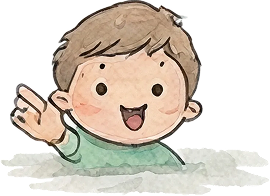
Protesting is how children say "no" or let us know they don't like something
- “No!"
- “I don't want that."
- “Not that one."
- “No thank you."
This is an important skill—it helps children set boundaries and express preferences.


Describing helps children label and explain the world around them.
This includes talking about what they see, want, or need:
- "Big truck"
- "Cold juice."
- "Red ball"


This includes using and understanding who, what, when, where and why.
Questions help children learn, connect, and share ideas with others.

Commenting is when children share their thoughts about what they experience.
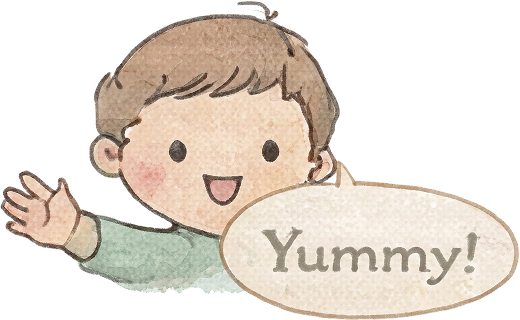
For example: "That's loud!" or "Yummy!"
- See
- Hear
- Taste
- Feel
- Smell

Children use language to talk about how they feel:
- Happy
- Sad
- Mad
- Tired
As they grow, they also learn to explain why they feel that way:
"I'm sad because my TV show ended."



Dolly Parton's Imagination Library:
Dolly Parton's Imagination Library is a free program that sends one age appropriate book each month to children from birth to age 5. The goal is to encourage a love of reading and support early learning at home. There is no cost to families.
How to sign up:
- Parents can visit https://imaginationlibrary.com/, enter their ZIP code to see if the program is available in their area, and complete a short online enrollment form.
- Once enrolled, books are mailed directly to the child until their fifth birthday.

Your baby may:
- Make cooing and vowel sounds ("oo,", ah)
- Cry in different ways to show needs
- Smile and react to voices
- Turn their head toward sounds
- Enjoy face-to-face interaction
Make cooing
Consider reaching out if:
- Your child is not babbling, making sounds, or using gestures like pointing or waving
- Limited eye contact or social interaction
Consider reaching out if:
- Your child is not babbling, making sounds, or using gestures like pointing or waving
- Limited eye contact or social interaction
Heading 1
Heading 2
Heading 3
Heading 4
Heading 5
Heading 6
Lorem ipsum dolor sit amet, consectetur adipiscing elit, sed do eiusmod tempor incididunt ut labore et dolore magna aliqua. Ut enim ad minim veniam, quis nostrud exercitation ullamco laboris nisi ut aliquip ex ea commodo consequat. Duis aute irure dolor in reprehenderit in voluptate velit esse cillum dolore eu fugiat nulla pariatur.
Block quote
Ordered list
- Item 1
- Item 2
- Item 3
Unordered list
- Item A
- Item B
- Item C
Bold text
Emphasis
Superscript
Subscript